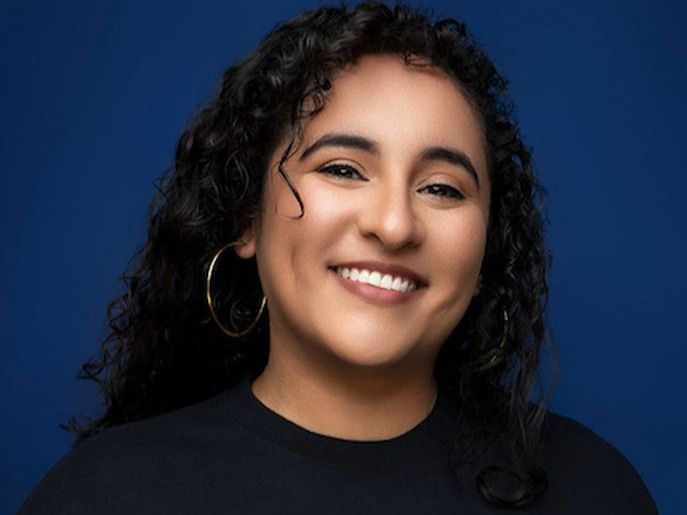
Sometimes, all it takes is one meaningful connection for someone to take that first step and book a session. For Natalia Carranza, one of her videos received just 200 views, yet it was enough to convince a potential client to book a session with her.
Natalia, an LMSW based in Arizona, launched [The Women’s Wellness Collective](https://wwcaz.co/) in May with a vision of building a practice that works around her family. Today, she offers clients the flexibility of virtual sessions, home visits and appointments within the community.
Growing her client base has meant putting herself out there through authentic videos that give potential clients a glimpse of who she is. Behind the scenes, Carepatron helps her manage the day-to-day running of her practice, giving her more time to focus on her clients and build a business that fits her budget and lifestyle.
Meet Natalia Carranza
Natalia Carranza is a Licensed Master Social Worker (LMSW) and the founder of The Women’s Wellness Collective, a practice dedicated to supporting women, mothers and families.
Her approach to therapy is rooted in inclusivity. The practice warmly welcomes anyone who identifies as a woman and is LGBTQ+ affirming, with a commitment to creating a safe and supportive space where every identity is respected and celebrated.
While Natalia works under the supervision of a licensed professional, she is responsible for managing the day-to-day running of her business.
Therapy is Natalia’s second career. After her first career path took an unexpected turn, she decided to pursue a master’s degree in Social Work at just 29, while raising her young children. Her decision to focus on women stems from what she witnessed within families: when the person holding the household together isn’t supported, the effects are felt by everyone.
#### “If we work with them, then we are not only helping them enjoy life, but also we’re teaching their kids, or whoever’s coming after them, to do it as well.”
Before establishing her own practice, Natalia worked at a group practice, where her schedule was largely determined by someone else. As a mother of young children, having limited control over her working hours became a significant challenge. She wanted the flexibility to build a career while still being present for her family.Going all in meant being easy to find
Natalia launched her business and social media accounts in May, but initially hesitated to put herself out there. The uncertainty of starting from scratch was daunting: no clients, no reliable income and little room financially to take that risk. Eventually, she realised she couldn’t keep waiting for the perfect moment.
#### “Let me just go ahead and go all in and bet on myself, because I need to do it. I don’t really have a choice.”
Starting independently also meant leaving behind the existing caseload she had built elsewhere. She needed to find a way to reach new clients and build trust from the ground up. Although she had a profile on therapist directories, she didn’t believe they were enough to help a new practice stand out. For many people seeking therapy, choosing a provider goes beyond qualifications. They want to get a sense of someone’s personality, communication style and approach before committing to a session.
#### “It was embarrassing at first. I was like, I don’t really wanna be on social media. But it’s the only way that people are gonna know that I exist.”
Her approach to content is deliberately simple and unpolished. Not every video attracts hundreds of views or generates visible engagement, but Natalia doesn’t see that as a measure of its success. For someone considering therapy, her videos offer a glimpse into who she is and what working with her might feel like. She describes her social media presence as “kind of like your resume,” giving potential clients an opportunity to become familiar with her before reaching out.
#### “My clients are like, yeah, this video where you’re talking about this and that, I loved that, so I called you. And then I look at the video and it’s like 200 views with no interaction.”
For Natalia, the value of a video isn’t measured by likes, comments or views, but by the connections it creates. A single video that leads to one new client who continues working with her can make the effort worthwhile.
As she puts it, “the ROI is huge on that.”She runs it like a startup, so every cost has to earn its place.
Before entering social work, Natalia helped grow a dental practice, where she discovered that building and running a business was her favorite part. She has brought that same mindset to The Women’s Wellness Collective. As its sole employee, she manages everything herself, from social media and client enquiries to emails and therapy sessions. Keeping overheads low is essential, which is why Natalia carefully considered what it would take to make the business financially sustainable, particularly when it came to investing in a dedicated office space.
Nine hundred dollars a month was the cost of renting a room just one day a week. At $100 per session, she realised that even covering the cost of a physical space would require a significant number of client appointments each month.
#### “To break even, I would need nine clients at a hundred. And then that’s still not even paying for the software or the phone or my insurance.”
Instead, Natalia built her practice around a more flexible approach, offering virtual sessions, home visits and walk-and-talk appointments. This meant finding software that could support her mobile way of working without stretching her budget. She explored several platforms, including larger, more established options, but found that some charged additional fees for essential features such as virtual sessions. Carepatron offered the functionality she needed at a price she could comfortably factor into her operating costs.
#### “I’m going to people’s houses and meeting them, so I’m doing a lot of this work on my phone. So the app is really easy. And my clients, they tell me it’s really easy to jump on the virtual sessions, and then it’s easy for them to sign the consent forms.”
Having everything in one place has also made a difference to how she manages the day-to-day demands of running a practice. In her previous role, different tasks were spread across separate systems, with notes, video sessions and phone communications all managed independently.
#### “Because I have ADHD as well, that’s too many moving parts. And I’m like, no, I forgot to text this person back or email them or do my notes over here and over there. I could not do that.”
Simplifying her workflow means spending less time juggling administrative tasks and more time focusing on her clients. Having a platform that works for both her and the people she supports, without requiring additional tools or services, makes the investment worthwhile.
#### “If it’s easy, and it’s for them and for me, and it stays within my budget, and I don’t have to outsource anything else, because everything’s right there, I’m like, okay, I’m gonna stick with this.”The Calendar Bends Around Her Kids
One of the biggest reasons Natalia decided to build her own practice was the ability to take control of her time. Rather than fitting family life around a fixed work schedule, she now arranges her client appointments around her children.
#### “My time is with my kids. I’ve basically made it possible through my choices of how to run my business, and when to run it, when to see the clients. I put that around my kids, because that’s the most important to me.”
As the business continues to grow, Natalia has also started paying closer attention to the numbers behind it. After discovering the analytics available in Carepatron, she used the platform’s feedback feature to request more detailed insights. For her, understanding how clients find her and where enquiries are coming from is an important part of making informed business decisions.
#### “You have to know your analytics and where your people are coming from.”
Looking ahead, Natalia hopes to continue growing the practice in a way that aligns with her values and professional responsibilities. That means pursuing additional certifications while working as an associate clinician, expanding her client base sustainably and potentially bringing in additional support as the business develops. She has also started encouraging other clinicians in Arizona to consider establishing their own practices, reassuring them that taking that first step is “not that hard.”
She knows there is still plenty of work ahead, but she is beginning to see the foundations of something she can continue building.
#### “I just feel like right now I’m in the hardest part of it, and it just will get easier.”