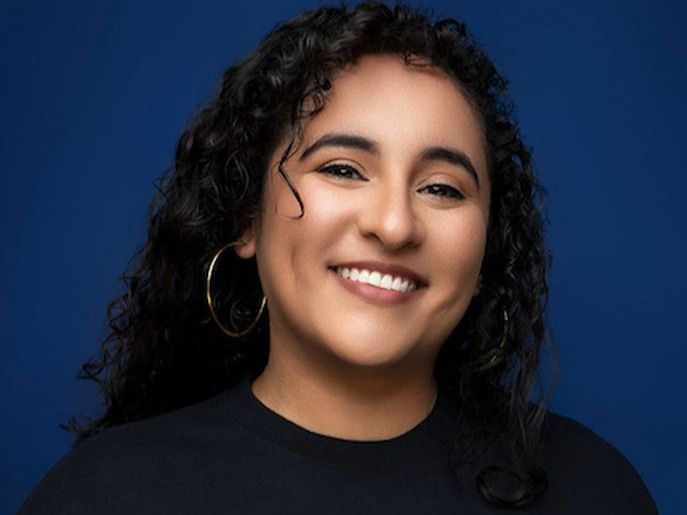
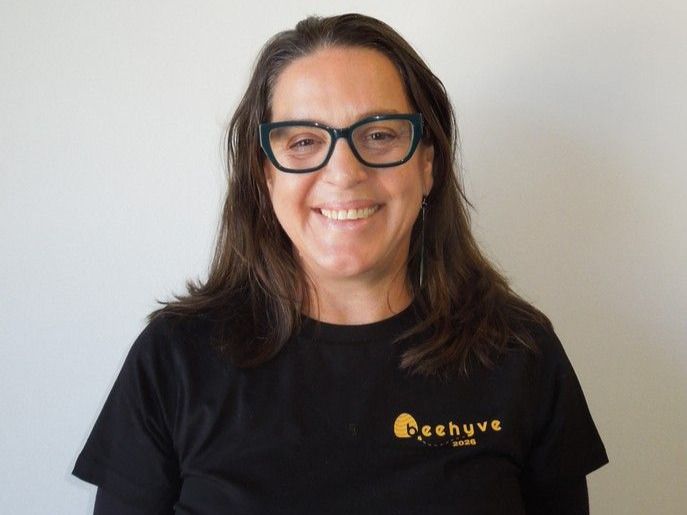
For years, Abby Janssen’s EMDR sessions ended right as her clients were getting somewhere.
Insurance in the US usually covers 53 minutes and Eye Movement Desensitization and Reprocessing (EMDR) was designed for 90, so she left a large group practice and built her own around 90-minute sessions, three-hour sessions and full-day intensives.
With no one else answering the phones, the admin had to take care of itself, so intake goes out the moment she adds a new client, clients pay on their own, and her notes take a couple of minutes to talk through. When she leaves for the day, the work stays put.
Meet Abby Janssen
Abby Janssen is a licensed clinical social worker and the founder of Janssen EMDR in Mequon, Wisconsin, where she runs EMDR intensives for private-pay clients. She also trains and consults for other EMDR therapists, with consultees everywhere from California to Massachusetts.
Therapy wasn’t her first career.
She spent years in marketing and communications before ending up in senior living, where she saw residents and their families going through things she didn’t feel she had the tools to help with. One of her mentors suggested going back to school for social work, and halfway through, an internship doing one-on-one therapy is where she fell in love with the work.
She found EMDR at her first clinical job, at a large group practice where nobody had specialized in trauma yet. She signed up for training, went through EMDR herself as part of it, and came away convinced it worked. Back at the clinic, she saw her clients work through trauma faster than they had in talk therapy. Six years on, she was certified, consulting and helping train other clinicians, but her sessions were still capped at 53 minutes.
#### “We would just get to a point where there would be some sort of breakthrough or there would be some great discovery, and then we had to end the session. And then I wouldn’t see them again for a week or two weeks.”
She wanted to work in 90-minute sessions, the length EMDR was originally created for, but the clinic didn’t have the capacity, so she started seeing clients on her own one day a week. That one day grew until something had to give, and for the last two years her private practice has been her whole job.
#### “You can get all the way through a memory and you can have somebody leave your office going, my gosh, that was wonderful, that felt great. I feel so much better than when I came in.”Mornings start with a phone call and one email address.
Abby runs the practice on her own, so there’s no receptionist or admin help to lean on.
#### “I don’t have anyone answering my phones. I don’t have anyone doing my administrative work.”
That means when someone calls asking if she can see them next week, she sorts the intake herself. She adds their email to Carepatron as a new client, and her whole intake packet goes out, about 15 pages covering everything from emergency contacts and billing details to depression and anxiety assessments.
#### “It just pushes out the minute I put somebody’s email address into the system and create a new client. And then everything flows right back to me and flows right into their chart.”
She set up those forms herself. The system at her old clinic wasn’t really built for EMDR, and the first platform she tried in private practice lasted about a year before she moved on. What she liked about Carepatron was being able to shape the paperwork around the information EMDR work actually needs.
#### “I could shape forms and things that I needed to be exactly what I needed them to be.”
Billing is just as hands-off. Her sessions are private pay, so clients can add their own card, and anyone who’d rather not keep one on file gets a payment link instead. If they need to cancel or reschedule, they can do it through their client portal without having to call her.
A lot of the people who reach out have already tried other kinds of therapy, so getting back to them quickly matters to her. She can tell them before she even hangs up that the paperwork is on its way.
#### “I will tell people as soon as I get off the phone, I’m gonna put your information into my computer, you will get something pretty instantaneously.”The notes are done before the microwave beeps.
EMDR notes involve a lot of detail, and Abby wants hers to be clear and precise. She types quickly but finds it easy to make mistakes, so she dictates her notes instead. After a session she spends a couple of minutes describing what happened, and Carepatron’s AI scribe turns her dictation into a note covering what went well and what still needs work.
#### “I can sit in front of my computer and talk into my computer for two or three minutes and I get a note that is concise, precise.”
She reads through every note before she signs it, and the whole process, from starting the dictation to reviewing the note, takes about five minutes, which leaves her time for a proper lunch break.
#### “I can dictate a note and then I can go pop my lunch into the microwave. And by the time that microwave is done, my note is generated and then I can have a nice lunch.”
On busier days, she shuts her door between clients, dictates for two minutes and lets the note generate while her next session begins, then reviews it once that session is done. What she values most, though, is not having to labor over every word.
#### “Instead of just sitting here going, how do I want to word this sentence? I just say it and the dictation does the rest for me.”Evenings belong to the family again.
With her notes finished between sessions, nothing follows her out the door.
#### “I don’t take work home with me.”
She’s home for dinner instead of at her desk until seven or eight. On a weekend she might log in to check that the week’s invoices went out and the payments came in, but the dashboard shows her that at a glance and that’s about it.
Friends who own group practices all give her the same advice, to stay a private practice, and she plans to. The next stretch looks like a practice made up entirely of 90-minute intensives, along with more consultation and more travel to train EMDR clinicians in person now that training is back in the room.
#### “These last two years have been just the most remarkable two years, and right now I wouldn’t want to change too much of it.”
And once the last client of the day has gone:
#### “When I’m off the clock, Carepatron has allowed me to be off the clock. And I’m just Abby, wife, mom, cat mom.”